Discipline Equals Freedom

Discipline Equals Freedom Summary

Field Manual

by Jocko Willink

  • 12 min read
  • Published 2017
  • 8 takeaways

Freedom, Willink argues, is not what happens when you remove rules. It is what you earn when chosen rules beat appetite, mood, and the little lawyer in your head.

What you'll learn
  • How discipline creates freedom
  • Why the alarm matters
  • Training before negotiation starts
  • Ownership without self-blame
  • Systems that outlast motivation

Key point 1

The pack by the bed

At 4:30 in the morning, freedom does not look like a flag or a beach chair.

It looks like shoes waiting on the floor.

Jocko Willink writes from the angle of a former Navy SEAL officer, not a calm life coach with a fern behind him. He commanded Task Unit Bruiser in Ramadi and later turned combat lessons into a plain rule for daily life: take command before the day starts issuing orders.

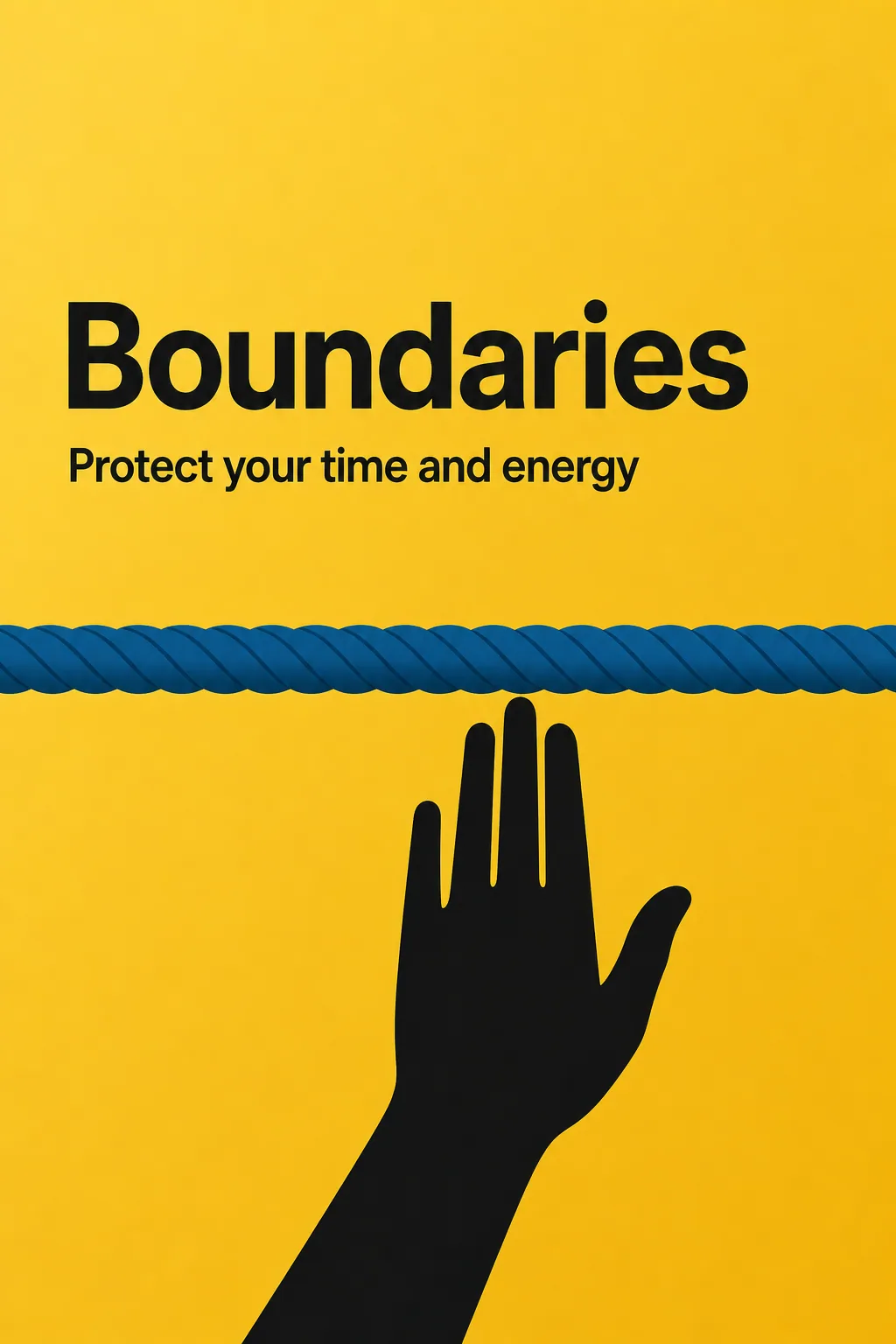
The main claim of Discipline Equals Freedom is severe but useful. You do not gain freedom by removing limits. You gain it by choosing the right limits before appetite, fear, and mood choose worse ones for you.

Freedom, in this book, is a very plain animal: it eats time, sweat, and repeated choices.

The field manual begins as a packed bag of hard rules. By the end, that bag becomes something stranger and more hopeful: a way to carry your own orders into chaos.
Key point 2

The alarm buys your first hour back

Before sunrise, the day has not yet learned your weak spots.

That is why Willink gives so much weight to the morning. He is not being romantic about darkness. He is making a tactical point. In Ramadi in 2006, when Willink commanded Task Unit Bruiser, small delays could become large dangers. In ordinary life, the stakes are lower, but the pattern survives.

The first victory is often just standing up when comfort votes no.

The alarm clock becomes the first test because it is honest. It does not care how inspired you feel. It only asks whether yesterday's decision still has authority today. The person who gets up when planned has already proven one thing: mood is not in command.

Willink's famous line is the book's whole argument in four words.

Discipline equals freedom.

Jocko Willink

This sounds like a slogan until you press on it. If you train, you have more physical freedom. If you save money, you have more choices. If you prepare, you can move when others freeze. Discipline looks narrow at the moment of action, but it widens the room later.

The alarm is a tiny tyrant with excellent paperwork.

This matters beyond the book because modern life sells freedom as endless choice. Willink calls that a trap. Endless choice often becomes drift with better branding. A chosen rule can protect the future self from the tired self, the hungry self, and the self who thinks one more scroll will somehow become a plan.

The pack is still heavy here. It is gear you choose before comfort files its complaint.

Key takeaways

Key point 3

Train the body before it negotiates

Key point 4

Excuses shrink under direct light

Key point 5

Systems beat the mood you brag about

Key point 6

The alarm clock has a landlord

Key point 7

The kit at the door

Key point 8

Try this

Continue reading the full book summary and unlock all remaining key takeaways.

Get full summary

About the author

Jocko Willink

Jocko Willink is a retired U.S. Navy SEAL officer who commanded Task Unit Bruiser during the Battle of Ramadi, then translated battlefield command into civilian leadership through books, consulting, and his widely followed podcast. He is also the co-author of Extreme Ownership, which gives his discipline gospel its sharper edge: less theory, more responsibility, fewer velvet cushions for excuses.

Related topics

Want to keep reading this summary?

Get full access to complete summaries and audio versions in one place.

Continue to onboarding

Related books

Keep learning with similar reads

Unlock full library

Frequently asked questions